
“More Great Seats 4 Kids” Podcast: The Hard Work of Change – School Leadership Lessons with Tresha Ward, Prospect Charter Schools
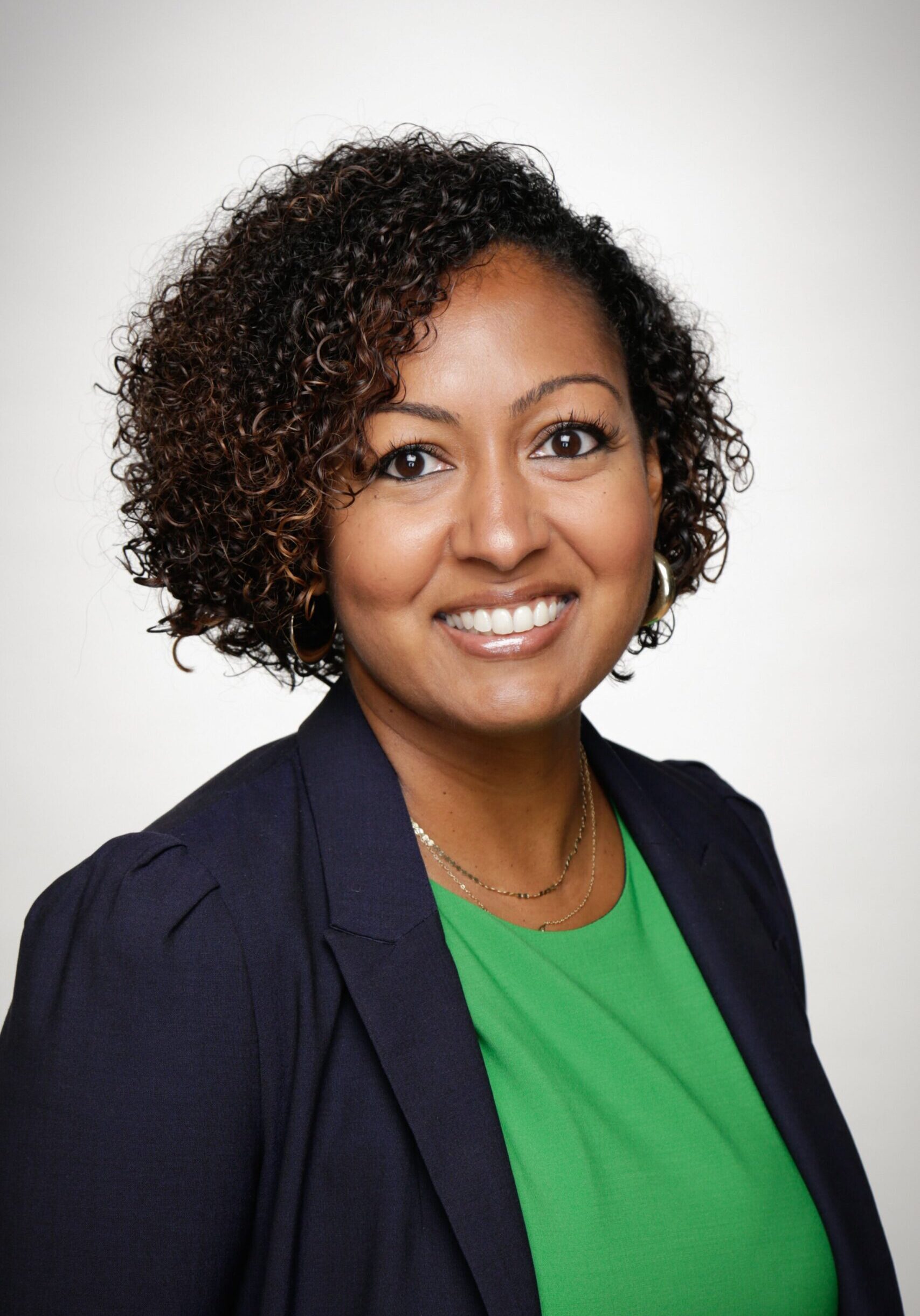 What does it really take to lead bold organizational change — and make it stick?
On this episode of More Great Seats 4 Kids, Mike Lesczinski, Director of Strategy and Communications at the SUNY Charter Schools Institute, sits down with Tresha Ward, Chief Executive Officer of Prospect Charter Schools, for a conversation about leadership, equity, talent, and school transformation.
Since stepping into the CEO role in 2021, Tresha has led a major effort to redesign systems and structures to create equity for both students and staff. She shares how Prospect Schools rethought staffing models, strengthened leadership development, improved compensation practices, rebuilt culture, and dramatically increased employee retention while reducing disparities by race and role.
This is a practical discussion about making difficult decisions, navigating resistance, staying grounded in values, and building an organization where excellence, diversity, and belonging can thrive together.
Transcript
Mike Lesczinski, SUNY Charter Schools Institute: Welcome to More Great Seats 4 Kids, where we spotlight the leaders, ideas, and innovations creating more high-quality educational opportunities for students. I’m your host, Mike Lesczinski. Today’s guest is Tresha Ward, CEO of Brooklyn Prospect Charter Schools. Tresha joins us for a thoughtful and candid conversation about leading large-scale organizational change, confronting disparities in staff and student outcomes, rebuilding culture after the pandemic, and creating systems that support both excellence and belonging. Whether you lead a school, manage a team, or simply care about effective leadership, I think you’ll get a lot from this conversation.
Tricia, thanks for joining us here today.
Tresha Ward, Prospect Charter Schools: Yes, I’m excited to be here, Mike. Thank you for the opportunity.
Mike Lesczinski: Absolutely. Now, Brooklyn Prospect has done something many have talked about, but few have achieved, and that’s changing your practices to reduce disparities in outcomes for both students and employees, while also boosting employee retention at the same time. So, there’s a chance to learn how you actually pulled that off from an operational standpoint. This is something that I’ve been looking forward to for quite some time as someone who does ops themselves. So, I’m really excited that you’re here.
Tresha Ward: Great, hopefully I can share some things that are valuable from our… both from our lessons learned and our mistakes, and some of our wins.
Mike Lesczinski: Yeah, let’s hear about it all. So, let’s start with an easy one, though. Can you tell us about Brooklyn Prospect, and what sets the organization apart?
Tresha Ward: Yes, I love that question. In 1954, there’s the Supreme Court landmark case, Brown v. Board of Education, that, outlawed, segregated schools. And yet even today, New York City, and it has the largest district in the nation, is also still the most segregated. We were founded, about 17 years ago, to be an answer to that disparity and, and, and that kind of injustice.
We wanted to create a place that allowed for excellence and diversity and opportunity to sit side by side. And so, we were founded as the first integrated, intentionally integrated, intentionally diverse by design charter network in New York City.
We really believe at our core that students and adults learn best, by sitting, not just diversity for diversity’s sake, but sitting next to others who don’t look them, don’t live them, and don’t pray them, and that they have an opportunity to build empathy and learning from… from students who are different from themselves.
We believe that excellence in diversity and access to high-quality education is not… those aren’t competing interests. Those should actually just be the norm for all students.
And so, we believe those should be trade-offs for New York City parents and students. So that’s kind of a fundamental core piece that sets us apart. So, what that looks in practice is, we aim to have no socioeconomic and no racial majority in our student body. And so, our student body is pretty diverse across those lines. We serve about 44% students who qualify for free and reduced price lunch.
And our student demographics are about…A third, a third, a third, and then, multiracial, multi-ethnic, students make up the kind of, last portion of our student body.
Those differentiate us that philosophy, art in diversity, that mission, and then we also offer the International Baccalaureate Diploma Program, which is a really prestigious course of study for students that’s typically offered in private schools and or tracked school programs. We offer that program to all of our students free, so we’re one of the few public, open enrollment, free IB for all, program, high school programs in the city.
I feel really proud about that. A global education is a door-opening education, not just here kind of locally, in the U.S, but also, we want our kids to have a worldly perspective and also have the skills to compete, globally. And so, that’s kind of built into our core.
Mike Lesczinski: I appreciate that. Thank you. I’ll make sure at the end, too, to put a link to Brooklyn Prospect’s website for any listeners that want to look a little bit more into it. So, when you step into the leadership position in 2021, you described your charges moving Brooklyn Prospect from its founding phase into its next stage of growth.
And their work began with a new strategic plan. So, can you talk, walk us through that process? How you approached it, how you identified priority areas, and how you ensured the final priorities reflected both Brooklyn Prospect’s needs, as well as the broader Brooklyn Prospect community?
Tresha Ward: Yeah, I really am privileged to have followed a founder who had led our organization for about 12 years before I took over.
And I also took over during a really transformative moment, if you will globally, nationally, and also for our organization. So, I took over in June of 2021, which if you think back, that was at the… in the midst of the pandemic, and a couple of things about us. We went into the pandemic as four schools; we came out of the pandemic as six.
When I took over, we were in the midst of planning to reopen our schools that fall and return kids back to full in-person instruction.
So, we were both dealing with, kind of, what was happening, kind of, globally, nationally, locally, related to the pandemic, but we were also dealing with our own, kind of, internal growth and growing pains.
And I would say I came in with a lot of humility, recognizing that it was important for me to do a lot of listening and a lot of learning before I made a lot of changes.
So, I… actually that within the first 30… 30, 40 days, I talked to about 350 stakeholders across our campus… across our campuses, our school, and our organization. That included every member of the board, which included every member of the leadership team.
At the network level and at the school level, a ton of teacher-focused groups, parent-focused groups, and even some student-focused groups. And I asked a few questions, just what made Prospect Schools really special? What do people love about our organization? And then I also asked what were our opportunities? What were our opportunities to get better? What were opportunities for improvement? Where were the pain points? And…, being new to the organization, people were quite comfortable just telling me everything, which was great, and so I… I heard a lot.
And I took a lot of notes, and I then took some time to step back on those notes and look for the trends what was I hearing repeatedly about what made us special at our core, and then what…
were some of the pain points. And then I actually then played those back for those groups. So, I went back in front of the board, I went back in front of our leadership team, and I went back in front of subsets of our staff members and our employees, and said this is what I heard, is what makes us special, and this is what I heard are some of the pain points, is this accurate?
And then took those themes and kind of then worked with our leadership team to say, okay, if these are the things that are our strengths, how do we preserve them? If these are the things that are our opportunities, how do we actually think about a multi-year roadmap to addressing them?
That multi-year roadmap became four big priorities that we kind of called Emerge, Connect, Grow, Sustain, and under Emerge, it really returning our schools to the academic and operational strength that we had before, COVID, and working to surpass that.
Under Connect, it was about rebuilding our culture and investing in our people. And growth wasn’t just about adding more kids in schools, but it was actually getting clearer about growth. We had a growth plan going into the pandemic that we were trying to become 12 schools.
That plan needed to change to fit their current reality. So it was , what is not just how many schools we want to grow to, but what’s the impact that we want to have? Underneath that it was getting clear on how many schools we are growing to, but it was also how do we have impact on our alumni who’ve graduated, and what does impact beyond our current state look ? And then sustain was, how do we actually build sustainable systems so we’re here for the long run?
And I shared that plan back out with all those stakeholders, and tried to build real excitement about
Where we were building from and where we… where we needed to go, and that became the roadmap for a lot of key decisions over the last 4 or 5 years.
Mike Lesczinski: Well, as someone who’s done strategic work before, it’s so important to build that strong foundation by reaching out and casting such a wide net. So that’s commendable at least to get the ball rolling with that. Now, in terms of when you start to look at the actual data.
You identified some disparities when it comes to the staff. So, can you talk about that? What did you find, and then how did you start to dive into it to see what was driving those disparities?
Tresha Ward: Yeah, through those focus groups, I learned a lot about some potential root causes of some pain points I was seeing in our data. Our data revealed that we had real strengths, but we also had real opportunity areas. The way we were looking at data sometimes
created an incomplete picture of what was really happening, right? So, we also needed to look at data a little differently. So instead of we were… just to give an example, we would look at BIPOC, stakeholders, whether that was BIPOC students or whether that was BIPOC staff members, and that’s one way of looking at data. Another way is to actually say, how are all the individual groups that fall under that umbrella? How are they actually thriving in our organization? And so, we actually started to look at data differently to try and understand a more complete picture of what was happening and try to diagnose some of the things we were also hearing, or that I was also hearing.
And then what came to light was that I think some of our stated equity values, and then what was actually happening in terms of people’s lived experience, there was tension there, and there was dissidence there. And I needed to, one look at the data, sit with that, and recognize the patterns, and then I also needed to find ways to actually make that visible to others, which was part of the first part of change. It was we say this, but when we actually look are we actually living up to our commitment and our promise?
Mike Lesczinski: Were there aspects of the organizational design that were reinforcing some of these disparities that you noticed? Roles, structures, or systems themselves?
Tresha Ward: Yeah, I believe that sometimes we make decisions and choices that serve us at a time and in a moment, and then, …if we don’t have regular practice of stepping back on those decisions, sometimes we can look up and realize that those decisions are actually having impact that’s further away from our vision. So, I’ll name we had a staffing structure. We had a staffing philosophy and an approach that was interesting in a couple of way.
One, again, we were in our founding state, so each school kind of had an opportunity to create whatever roles they needed at the time. , that makes sense from a place of saying, okay, the context, and so therefore you should create roles. But as an organization becomes bigger, and you actually have schools that are of the same size and scale to have disparities in Staff roles and responsibilities, the number of staff members on a team you actually then start to create misalignment. Misalignment and missed opportunities to train people, to have clarity, to have, shared professional development, shared learning.
That was one way that I noticed in the data, and just kind of what was playing out, that we weren’t quite… we were creating inequity in our staffing, just by not having that, not having some consistency across our team models from school to school. I think the other is that we had we had sub-teams, is the best way to describe it. We had those who were the teachers, and they were the instructional team. We had leaders, and then we had a culture team, and , on the surface of that, it sounds clean, right? , teachers you teach, and culture you do culture, and leaders you lead. And what that was actually doing was creating silos.
It was creating a lack of ownership. It was creating confusion about who is supposed to respond when there is a student that’s in crisis. And when you actually looked at who made up those groups, I don’t think we were living our true commitment around being diverse in all spaces, right? So, we had a predominantly, I would say white teaching staff, and we had a predominantly Black and Brown and Black and male, culture team, and we had a leadership team that also didn’t mirror the diversity that we… that we were looking for. And so, we created these silos, and then when you layer on race and gender, we were through those practices and those sub-teams that the intent was, right, to create clarity, probably, and to ensure that instructors could focus on instruction and culture was kind of dealt separately. We were actually not living into a commitment. And then when you step back on the data.
Unfortunately, The students that we saw being responded to, were students who also were predominantly Black and Brown. So again , just through something that might have had good intentions, and it just was not playing out that way. And then that… that…that contributes to feelings of a lack of belonging, both at the student level and the team level, so we also saw high attrition of team members who were in those operational roles and those culture roles, who were predominantly Black and Brown, who also were, paid differently and lower than instructional staff, right? So, we were creating, through some structures and systems and some previous decisions, things that were just misaligned with our equity commitments.
Mike Lesczinski: So, how did you decide where to focus your attention first? Some issues had to be relatively straightforward fixes, while others compensation, career pathways role design these are more complex. So, navigate and prioritize.
Tresha Ward: Yeah, , the first priority… the first priority is cleaning up anything that was low-hanging fruit. So, there were just some things that we did that were alright, if we say this, then is that mirrored in our policies, or are we saying one thing and then actually not… not executing on it? , those were things we’re using anti-racist in language, but we have policies that are actually not… not that, right? There were some simple things we did there. The hardest decision was actually making the tough decision that this structure was no longer serving us.
And we needed to actually restructure ourselves. Restructure ourselves, to, one, better meet our vision of equity, to better support our employees, who then support our students, right? So, for us, the biggest bet and the hardest work is also the investment in our team, and our team is the biggest lever that we have to serve our students and families. And so, if they’re not clear, if they’re not feeling developed, if they’re not feeling connected, a sense of belonging, a sense of value, a sense of investment.
Then how are they going to transfer that to students? And so that became the first place that we focused. , the first place and the biggest place, and the hardest work was , making change of that scale, especially in an organization that is healthy on the surface, our goals are… we’re meeting goals, and a fairly strong and stable organization, and so much potential to do so much better. And so, it’s hard to disrupt things when people are comfortable with them.
It’s also hard to say if we actually truly believe in equity, we’re actually going to make the hard decision to sunset a team that is made up of predominantly Black and Brown employees, and then to make that further complex, I identify as a Black woman, and so I’m the first Black female CEO of Prospect Schools, and so to lead that change was an identity that mirrors the staff members that were impacted that was…it’s complex, and that’s hard, and there’s a lot there, but I also believe that if you truly believe in diversity and equity, you don’t just talk about it, you actually make it so, and you make it ingrained in the practices that you that you believe in, and the policies, and the actions, and in everyday decisions.
I’m not just about using the words; I’m actually about making the change.
Those are some of the… some of the things. I can talk more about that, too, but…
Mike Lesczinski: , obviously, restructuring is never easy, so… and obviously you… there’s going to be resistance to this type of work. There always is. So, how did you…take on that challenge? How did you address the resistance, within your organization, and from a change management perspective? And then also, how did you eventually get enough staff to understand the purpose behind this, and how they… not just them, but the entire organization would be helped?
Tresha Ward: I will not sit here and say it wasn’t hard, and that it wasn’t painful.
Again, there’s feelings, there’s people’s livelihood, there’s their sense of belonging, whether or not it felt good or not, right? , there were people who were , this is the role I play, this is how I’ve seen myself, and so something so disruptive, was definitely not easy.
And I think the hardest part, too, is that while we were making the change, we were also trying to educate people on why we were making it. So not just what the change we were making, but why we were making it.
And lots of lessons I learned around that. We both did some planning and then did some messaging, but I think the most effective thing that we did was actually get in front of every staff member. So we went to every single school, and we went with teams in small groups, and then we had whole group forums where we were very much explaining, here are the changes we’re making, here’s why the changes… why we’re making each change. Here’s both the quantitative and qualitative data that we’re grounding this in. Here’s what happens if we don’t make this change for us.
And then and then sitting there, and taking all the hard questions, all the hard feedback I think…had… if I were to do it again, I would have started probably with those groups, and probably even before a decision was made, helping people understand some of the challenges we were facing. I think we… we bundled both the change, the why, the challenges we were facing, and the fact that we needed to do it all in a small period. Some of that was just because we had to the window to confront the problem and make the change was… was narrow. And that made it harder. That made it harder, it made it more emotional, it made it compressed.
And I also ask people to trust. And it was both messaging, but it was also time that eventually helped people recognize that this was the right decision, not necessarily time in the moment, right, in the midst of the change, but time after. And I think a little bit of so are you questioning. I don’t… no one ever said this to me, but it’s , are you going to stick around for this change? Are you going to see it through? Or are you making change that you might not actually stick around for? And I…, I feel really proud I’m going to be in the storm together, and we’re just going to ride our way through, and so making sure that I didn’t retreat and my team didn’t retreat, I think was a really important part of, leading us through that change. And so, standing in front of our staff,
During some very heated conversations, and then keep showing up…right? I’m going to keep showing up. You may not me right now, but I’m going to… I’m going to be at the basketball game, and I’m going to be at the event, and I’m going to be at the end of the year celebration, and I’m going to ask you what you’re feeling. I’m going to ask how things are going. I’m going to be back in front of you again at the beginning of the next year, and I’m going to be back in front of you again at the middle of the year.
And that matters.
And it matters that I ask how we are doing and that I truly am listening. It looks reading our word health, not just the quantitative numbers, but every… every written word that, our team members write and actually using that to evaluate whether or not we’re on the right track.
Those were some of the things that I would say were helpful. And then also just showing the data people need to see. Alright what’s the payoff? We did all of this, and what are we here, what are we showing for it? So, in that restructuring, we reset what the roles of the leaders were, because that was unclear. We were , this is what it means to be a leader here. We’re raising the bar for you. This is what you own, right? Things that might have been owned by others are what you own teachers, this is what you own, right? We don’t want culture to be siloed. We expect leaders to own culture and academics. We expect teachers to own culture and academics.
And so therefore, we’re also going to train you for that. So, we also paired it with training.
For our leaders, we’re telling you what the bar is now, we’re telling you what we need you to own, we’ve reset your roles and your expectations, and now we’re going to back it up with professional development to make sure that you have the tools to meet the expectation and then narrating for people, alright, here’s where we are in terms of our… we said we want to make sure that we have a diverse team across all functions. Here’s our hiring stats, here’s what this looks , here are the things that we’re doing to make sure that we back up the change with actual action, our data, we’re looking at it by these numbers, here’s where we still have room to grow, here’s where we’re winning. And I think just the constant narration
The constant visibility, the steady consistency, and the humility to keep listening and asking, are some of the things I would say were important to lead the change.
Mike Lesczinski: So, when you do this big change management type of work, culture’s obviously a big part of that. And you have to have a great culture, a strong culture obviously that helps when you want to make a change , but at the same time, this type of change also tends to change the culture itself. And at the same time, you were… Brooklyn Prospect was in the process of rebuilding its culture even before this work began. So, can you talk about just how culture fit into all this, and some of the types of initiatives that you put forth, and changes you put forward to bolster the culture up, while also using the culture to help with these changes.
Tresha Ward: Yeah, being in schools is hard enough, right? , it’s hard work, it is hard being in schools coming out of a pandemic, right, where everybody is already exhausted, tired, and feeling they don’t have much more to give compounds it. And then on top of that, you layer on changes that were required.
I think what we tried to do was really focus on how we keep seeing people, keep rewarding people, keep, creating moments of connection. So, this started my first year, which was August of 2021, we had a big start of the year event where we brought all of our team together. Everybody was wearing masks and was outside, but we brought people together to kick off the year to celebrate.
And we ended that year with an end-of-the-year celebration, where we did a network-wide adult field day.
Right? We always recognize our staff members who’ve reached the 5- and 10-year milestones, and we make that a big deal, both , at the end of the year celebration, and also through compensation and saying thank you.
I think trying to find ways to keep those moments of connection and community across the bigger whole going is part of that joy, is part of that culture.
And then, to be really honest, we also in 2023, actually, as an organization, said, this might seem counterproductive, but we actually took a step back and said we actually need to nurture our culture, and our network-wide priority was culture is everything, which meant we actually needed to go back to connections, people, relationships, the core, things that are all strengths of ours, but in the midst of all of the change, we had kind of let go. So, what did that look ? That looked , do we actually have celebrations at our school level? For our teams and our adults, do we have moments of celebration for kids?
Moments of connection. Are we rushing through a lesson, or are we actually taking the time to also build the community and actually address moments of breaches in the community, but also moments of celebration?
And how do we do that while we’re also very committed to making sure our kids are academically strong? We can do that was something where we said we’re actually making an intentional choice to go back and nurture our culture. And that was a really important moment for us to kind of reset and rebuild a foundation that had gotten a little shaky, through change, through some of the challenges.
I think other things that just make people valued are am I compensated for my work? And so we did a lot around talent, but I would say some of the work that we did was a two-year kind of step back on revamping our policies around compensation so they were clearer, making sure that we were benchmarking salaries so that they were competitive, sharing out, creating opportunities for the team to be a part of that change process, the policy change, getting input.
Hearing the changes and being a part of some of that decision-making as we were doing , and then also to feel the benefit of it, to say, we’re increasing compensation, and here is how. And I think that matters.
We were both making some structural changes, some cultural changes, some policy changes, but we were also making some changes to say, we see our team as the biggest lever of our success, and we want to… that’s where our biggest dollars should be, and that’s how we think about the value of our people, and actually making sure people were being, compensated in a way that was competitive for the work that they were doing on behalf of our kids and our organization.
Mike Lesczinski: So, you mentioned talents. Have you seen a shift between hiring more internally versus external folks? Have you also taken a look at your own professional development? What are the type of things that you’ve made specific changes to that’s helped, kind of, because you mentioned at the very start, you’ve helped decrease the disparities in employee outcomes, as well as boost retention. So, what are some of the specific things you’ve done to help?
Tresha Ward: Yeah, yeah, and I just feel really proud. At the end of 21-22 school year, we had 56% of our staff retained, and we measure retain, as, are you with us on the first day of school, and are you with us on the next day of the first day of the next school year? And so, we went from 56% staff retention and disparities by race and role. So, we were retaining our white staff and our teaching staff, and we were losing our Black and Brown staff that were in operational or non-instructional roles forward to this past school year, we actually retained 82% of our overall staff across 400 plus, 430 plus employees, with basically eliminating the disparity by race and role, so I feel really proud around that. , a few things that we did.
So, the restructuring was do we have the right roles? Are the roles and responsibilities clear? Are people in the right roles? And then, do we have representation across those all of the roles at every level, from leadership all the way through our instructional staff?
So, we changed some of our talent practices to make sure that we were eliminating bias in the hiring. That’s one. We revamped compensation, I said. And then we created really robust development opportunities. One of the levers that we also believe keeps team members is if I have a good manager, I will stay. If I feel my manager sees me as developing me, and I’m growing in my role, and that partnership between my manager and I is strong, then I will stay. So strong leaders actually keep strong… keep employees. And so, we poured into our leaders. We were , this is what it means to be a leader.
This is also what it means to be a leader of a team.
We started a summer institute, leadership institute, for our leaders, where we train them on everything from instruction, but also how to be a strong people manager.
I feel really proud that over the last 3 years on our organizational health, we have the vast majority of our staff agreeing and strongly agreeing to questions , I have a good relationship with my manager, I’m getting developed by them, I look at data. So, just one, pouring into our managers so that they were better, leaders of their team, better hiring managers, also contributed to team retention and then compensation, I said, and then tending to the culture. So, if I were to come up with a recipe, it was , how do we fix our poli… how do we make sure our roles and responsibilities and ownership are clear? How do we then make sure that our policies and practices and compensation support, and then how do we align our development structures to make sure that people are being successful in their role?
It’s not short… it’s not easy work, but we’ve just been really methodical about it, and then, how are we doing, right? So, we, in addition to the organizational health data that we get, once we get it, we look at the places that were low, and then we go back out to the team through focus groups, and we say, hey, you rated this low, or people are rating this low what does this question mean? And when you see it, what’s coming up for you, and what are the ways that we can improve. And again, it’s always a choice and attention. Some things we can do, some things we can do right now, some things we are longer-term builds, and some things we’re just not able to do.
But I think the practice of saying, we see this, we’re reading it, and that’s how we continue to tend to get better, makes people feel they’re heard, and they’re part of an organization where they’re seen, they’re valued, and their opinion counts.
Mike Lesczinski: So, in a previous job, I also had to work towards implementing a wide-scale reorganizational change, and I know it changed me, not just from as an organizational leader, but it changed me as a person, because this is tough, hard, emotional work.
What have you learned personally as a leader through this process?
Tresha Ward: No, it was humbling. Oh, it was humbling. I think some of the hardest moments was standing in front of our team and trying to help them understand the data that I was seeing from my vantage point, and the hard decisions that I was making that impacted either them personally or impacted friends that they had and recognize that they see me as… sometimes my title. not necessarily Tresha, right? I’m always working as an educator, I know what it means to have sat in all those seats, I’m also a person, so I understand the pain. I think one of the hardest things and the thing that I tried to do was also, .
Be really honest. Be really, not sugarcoat the pain of it, and not try to dismiss that either, and humanize myself. And that’s one thing, right? , how do you… how do you, as you’re making some hard decisions on behalf of an organization, also show up as a human leading that change.
I think the other big thing is I wish I were to do this again, and we have done this with other big decisions presenting the problem earlier to the team, so that they actually could be in the context and sometimes a little bit of the mess with us. I think there’s a bit of how do we keep people from it? We need to make the decision and then roll it out. I actually think recognizing that most team members have the ability to just… to sit in the problem with you. And the, maybe need to shield them from so much of the problem, until the very end. I actually think being able to say here’s what we’re wrestling with here are the challenges in our data, here’s what’s not working. How would you solve this problem? Or here’s what we… , what we’ll be faced with, or , here’s some of the constraining variables for us how do you… how can you help us see a potential way path forward, versus believing that we need to have all the answers, and that our answer is right?
And that, we need to make it and then push it down. Which, it’s not always easy, and not every decision lends itself to that, but where you can, I think trusting that your team can actually sit in the mess with you a little bit more than you think.
Mike Lesczinski : I love that. So, we have time for one more question. Last question. Final advice for any charter school leader peer is out there right now, or educator in general, organizational leader, who knows a big change is probably necessary, but perhaps hesitant or unsure of how to go about this work. What advice would you provide them?
Tresha Ward: Yeah, I think that piece I just said around, is there an opportunity to share the problem? with more people, with your stakeholders, and say, here’s… here’s what we’re facing, here’s the constraining variables, here’s the data I see, here’s something needs to change, what are your thoughts? How could you, … it does a couple of things, right? At the very least, it makes people know that there’s a problem that we need to address.
And two you might actually get things that change your thinking, and or might make the solution stronger, so I think that’s one. And having the trust to do that, that feels scary. It feels scary to let others into the problem, especially a problem that you believe is yours to solve, especially around things that are , organizational finance and some big decisions around restructuring, or even sunsetting a school, or things that. , those decisions sometimes feel it’s hard to let people into them, and it’s messy, and it makes it much harder, and you’re going to hear a lot of opinions. But I think the benefits, actually, in retrospect, outweigh the costs.
And then the other advice is I tend to ground myself in my guiding principles and my values, and that gives me the courage to make really hard change. And if at the core, I believe that we’re doing a practice that doesn’t really actually meet our stated values, or my personal values that I need to be grounded in that courage to push through, even… even if that change might be personally consequential for me. I didn’t really know how I had faith that we would be better on the other end, and… but in the moment, it was very tough. I’m putting myself out there, and I’m saying this is a change, and making a really hard change early in an organization.
But having the confidence to say this is actually the right change, so regardless of what happens to me personally as a leader this is actually a change that’s needed because it’s more in line with our values, setting our organization for long-term sustainability, success, impact.
And so that’s kind of what I ground myself in.
Mike Lesczinski: Trisha, thank you very much for joining us here today.
Tresha Ward: Yes, Mike, this was wonderful. I appreciate you and all those tough, meaty questions, so… I hope it’s helpful.